Revealing the hidden treasures of Wells Cathedral's Chained Library

Books Unchained: Chained Library Blog


Wells Cathedral’s Chained Library preserves some of the most extraordinary works in the country. Books Unchained showcases a different volume each month, uncovering its origins, significance, and the stories it still holds.
New entries will appear below as they are published—check back as we turn the pages of this remarkable collection, one volume at a time.
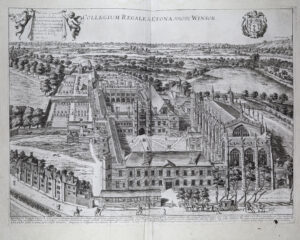
#7 Oxonia Illustrata and Cantabrigia Illustrata

Tuesday 1 September

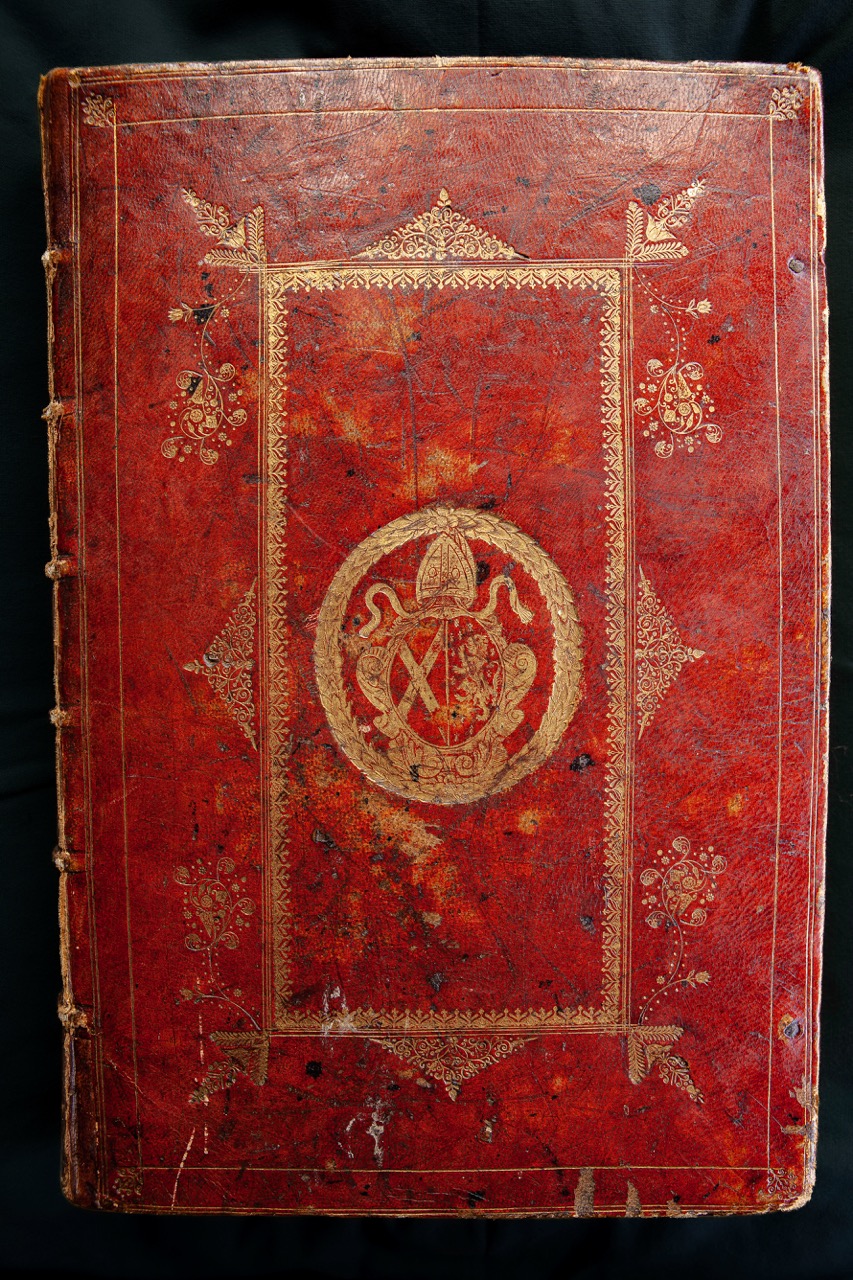
Published in 1675 and 1690 respectively, David Loggan’s Oxonia Illustrata and Cantabrigia Illustrata are among the most important visual records of seventeenth-century Oxford and Cambridge. Created by the Polish-born artist and engraver after his arrival in England, the volumes contain remarkably detailed views of colleges, university buildings, gardens, streets, and courtyards, capturing the appearance of both universities before later centuries of change. Bound together in a single volume at Wells Cathedral Library, they stand as both outstanding examples of early engraving and invaluable historical documents, while also reflecting Loggan’s wider interest in England’s architecture, including Wells Cathedral itself.

Read More

#6: The Gentleman’s Recreation

Sunday 1 August 2026

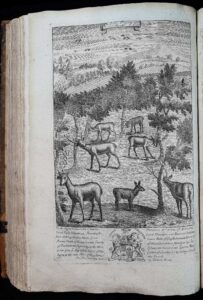
Published in 1686, Richard Blome’s The Gentleman’s Recreation was an ambitious guide to the knowledge, skills, and pursuits expected of a seventeenth-century gentleman. Combining practical instruction on everything from mathematics and military strategy to hunting, fishing, and estate management, it offers a vivid portrait of elite country life in Restoration England. Richly illustrated by Francis Barlow, often regarded as the father of British sporting art, the volume remains an invaluable and visually compelling record of the fashions, pastimes, and aspirations of the age.

Read More

#5: Historia Naturalis

Thursday 2 July 2026

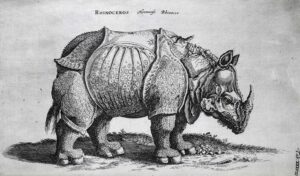
Before modern zoology took shape, John Jonston’s Historia Naturalis (1657) sought to catalogue the known animal kingdom in one richly illustrated work. Featuring detailed engravings of creatures both real and mythical, it offers a fascinating glimpse into how 17th-century scholars understood, classified, and imagined the natural world.

Read More


#4: Theatre of the World

Monday 1 June 2026

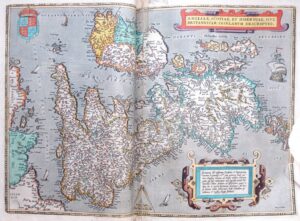
Planning your summer break this year? Before you open a travel app, step back to the very beginnings of global exploration with Abraham Ortelius’s Theatrum Orbis Terrarum (“Theatre of the World”) — the 16th century atlas that first gathered the world between two covers, transforming how people imagined far off places long before modern travel began.

Read More


#3: The Newe Herball

Thursday 6 May 2026

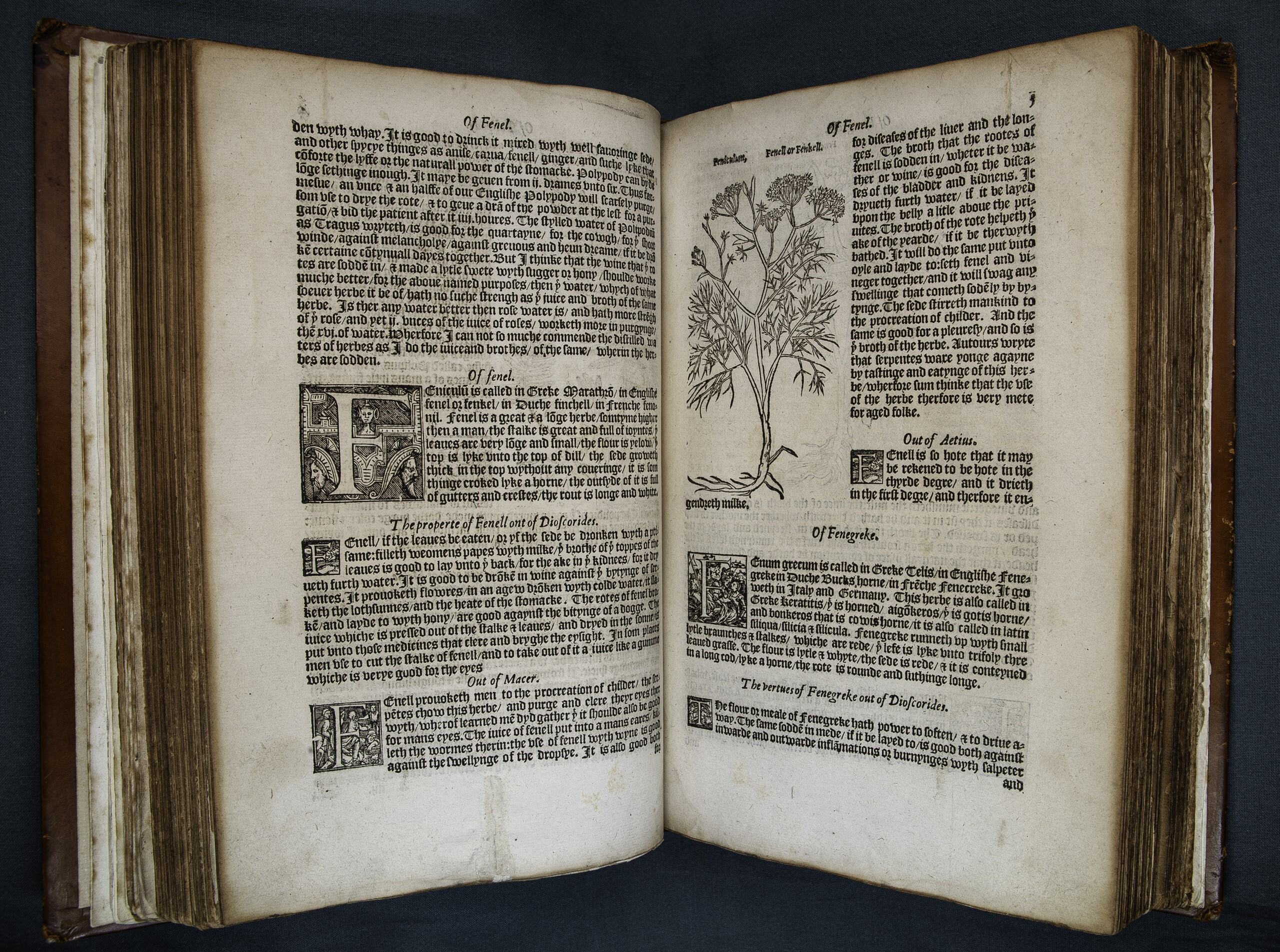
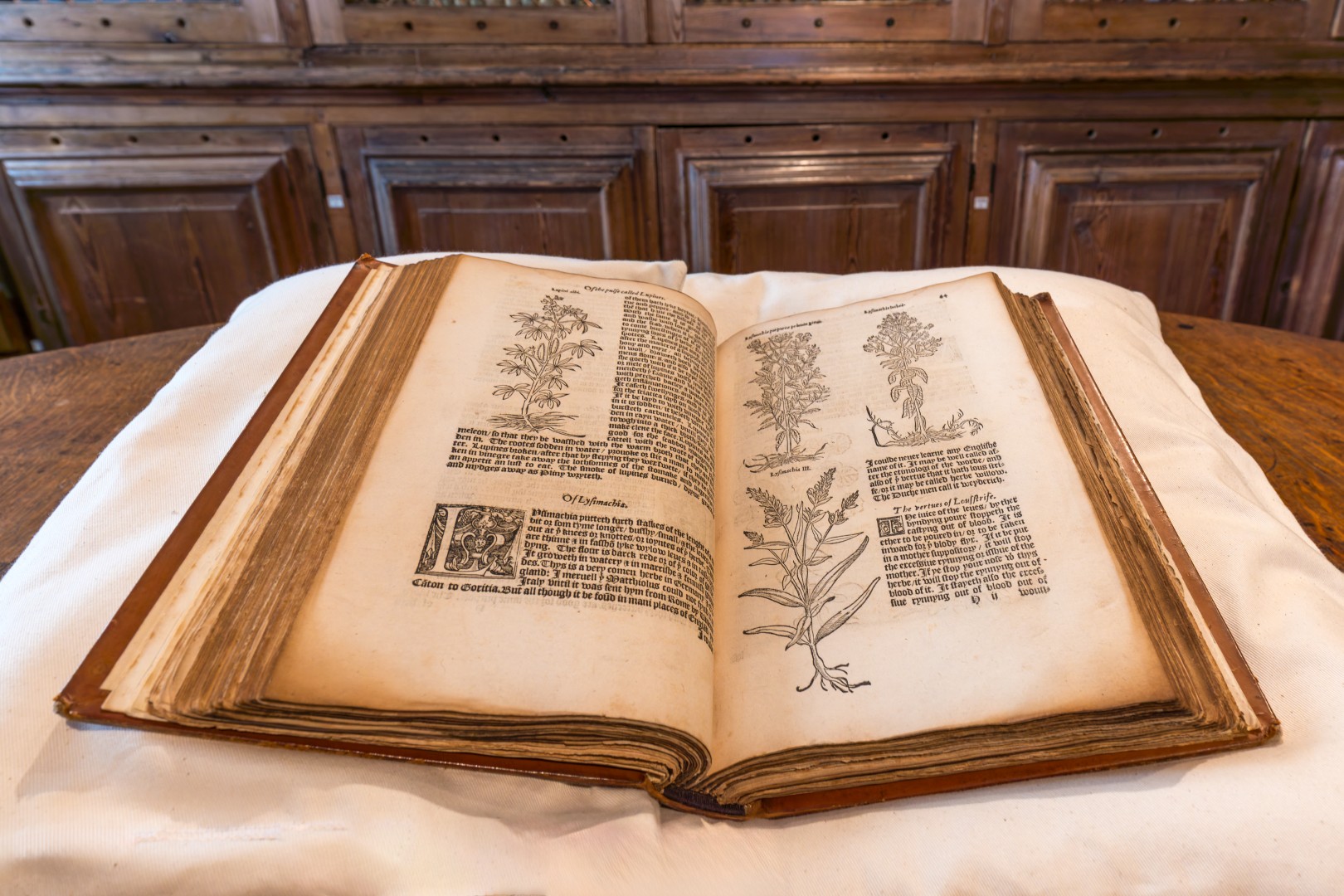
William Turner’s A New Herball, a landmark 16th‑century work, is the first comprehensive survey of English plants. Written in English to make botanical knowledge widely accessible, it combines detailed observations, practical uses, and illustrated plant descriptions.

Read More


#2: The Book of Hours

Thursday 2 April 2026

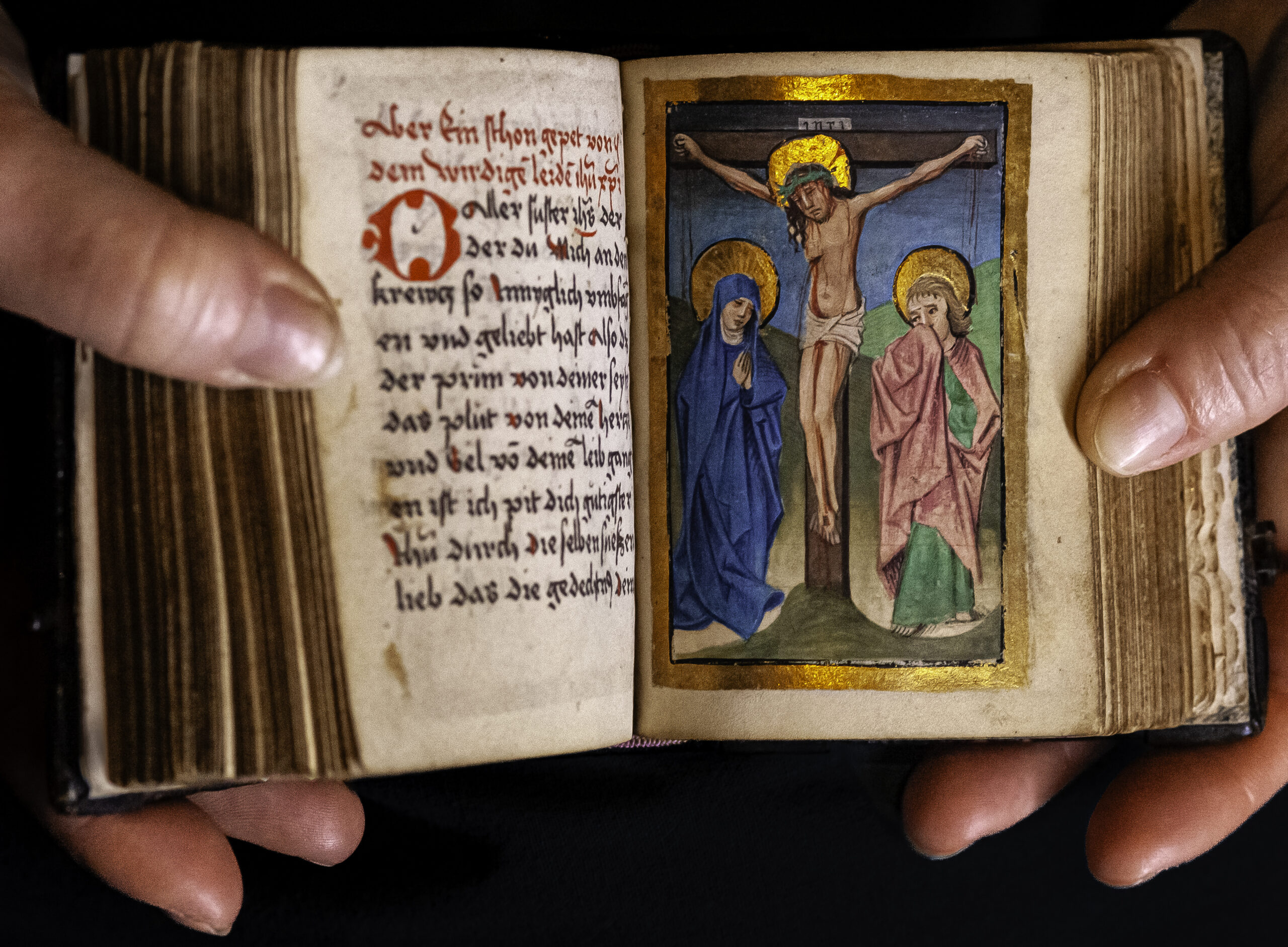
Catch a glimpse of medieval devotion: the fifteenth‑century German Book of Hours shows wonderful craftsmanship and illumination, and signs of use that hint at its owner’s daily spiritual routines.

Read More


#1: The Paris Bible

Thursday 5 March 2026, World Book Day

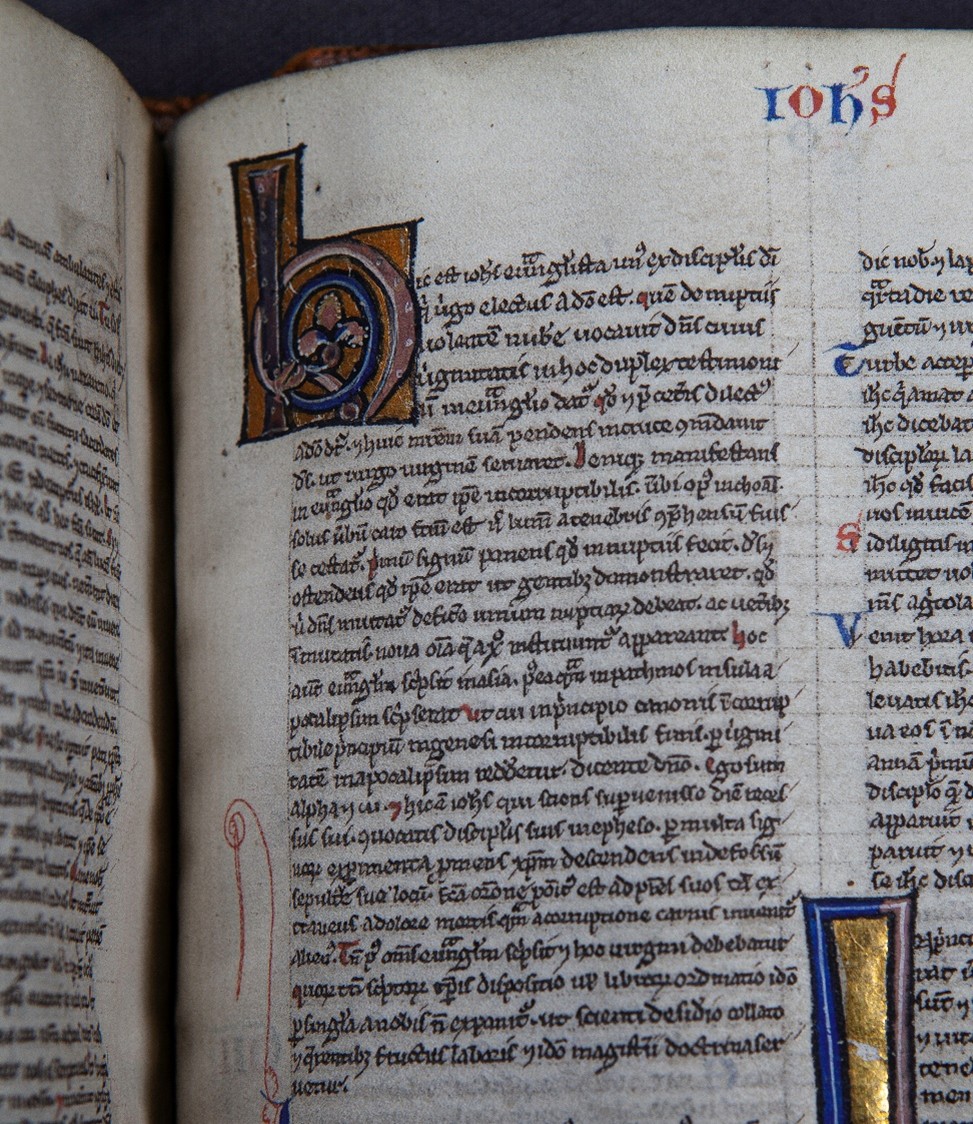
In honour of World Book Day, uncover the Paris Bible—a compact, 13th‑century creation that introduced the structure, script, and style shaping modern Bibles across the world.

Read More
Listen to our Music