Our Book of the Month for June, part of Books Unchained — our monthly series exploring the remarkable volumes preserved in Wells Cathedral’s historic Chained Library.
Visit the Blog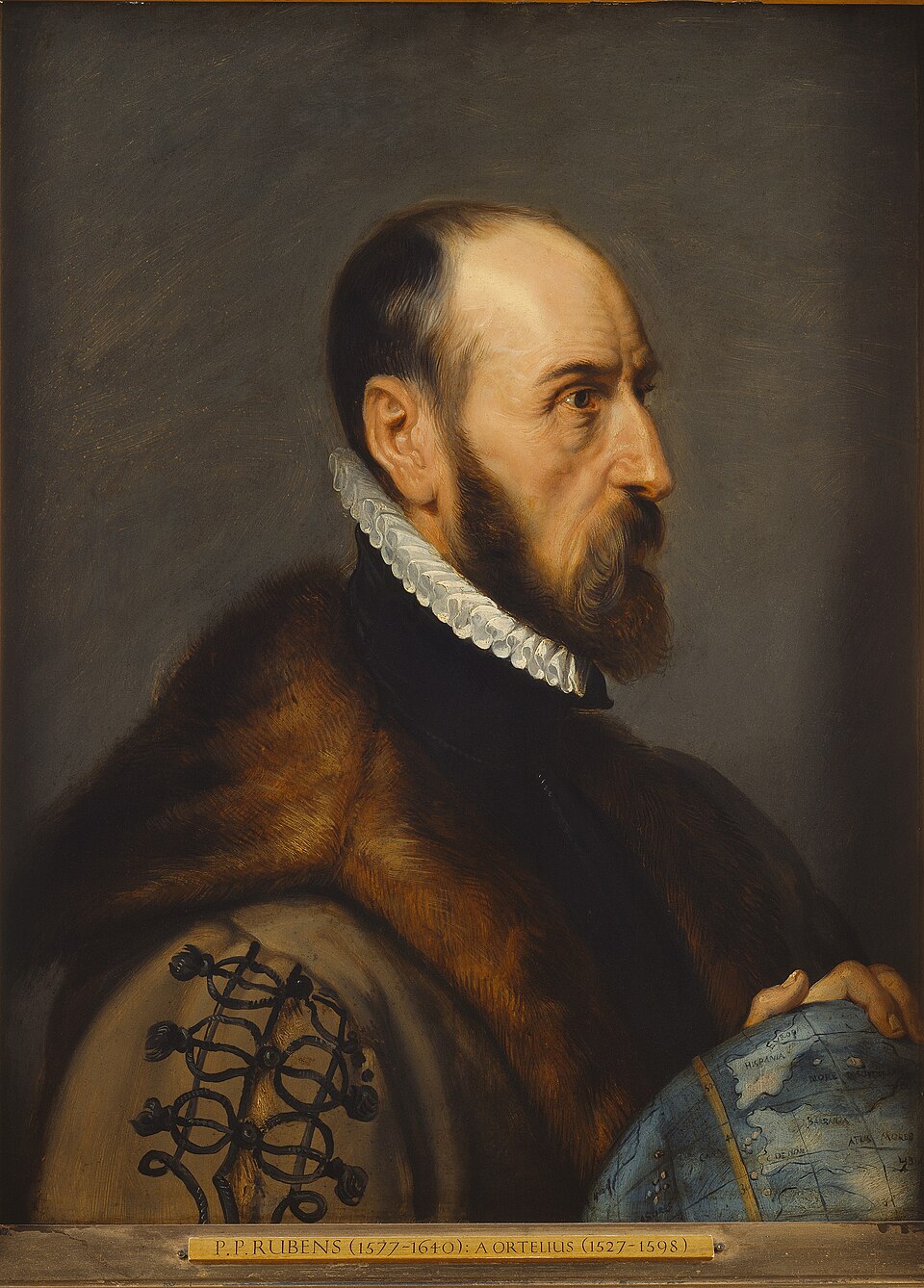
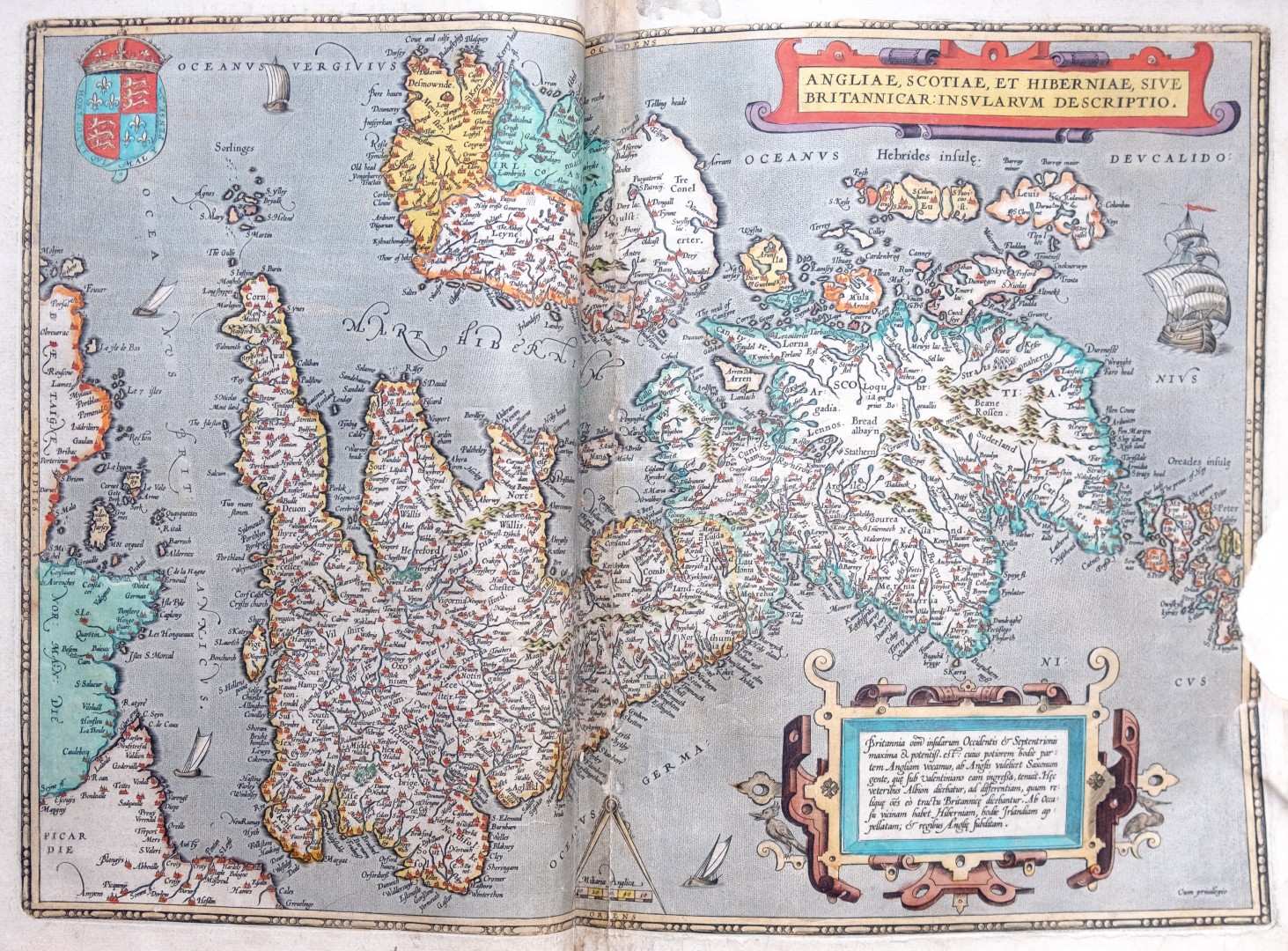
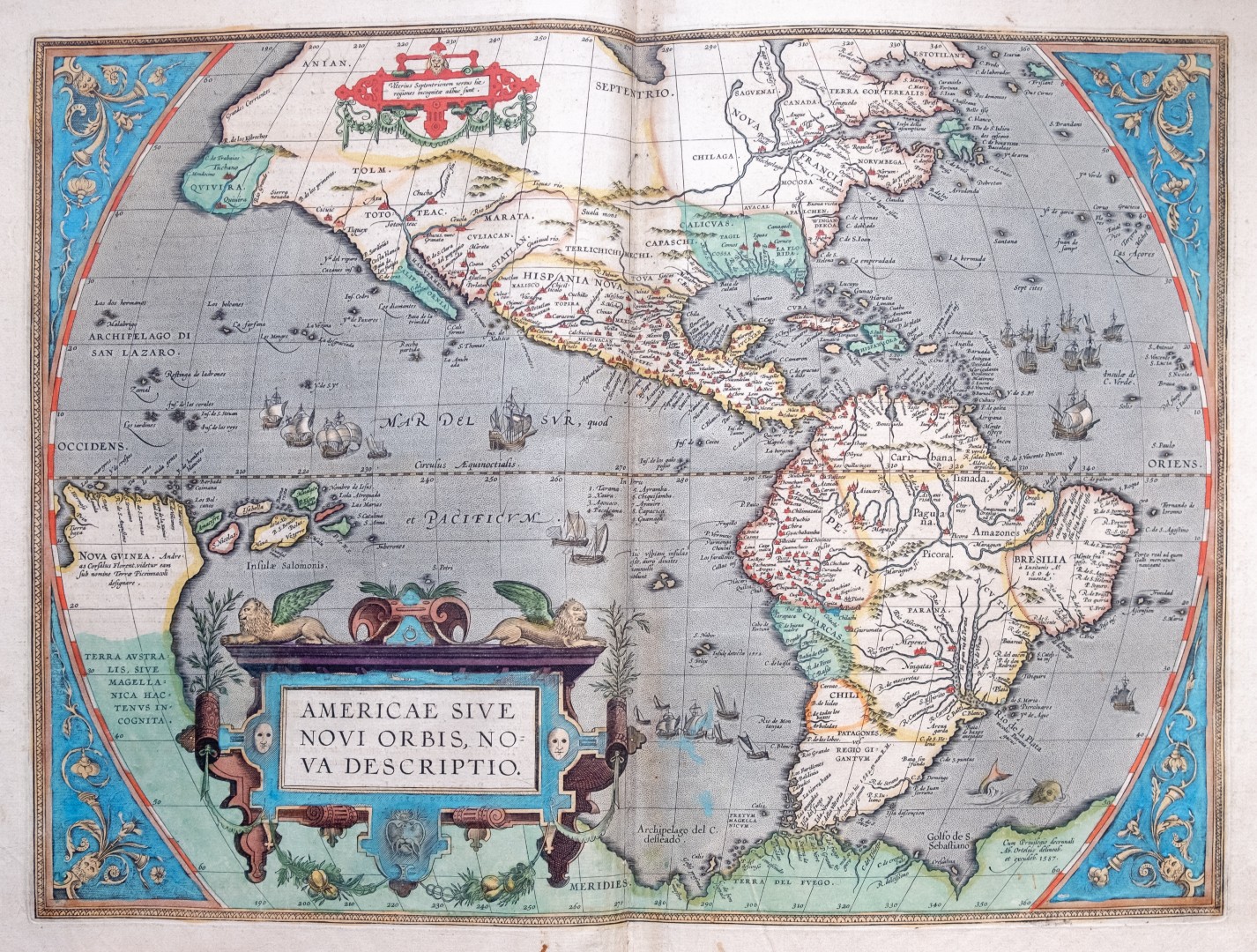
The Theatrum Orbis Terrarum (‘Theatre of the World’) is widely regarded as the first true modern atlas and the most successful book of the sixteenth century. Compiled by Abraham Ortelius (1527–1598) and first published in Antwerp in 1570, it brought together the best available maps of the world into a single, carefully organised volume. Its publication is often seen as marking the beginning of the Golden Age of Netherlandish cartography.
Ortelius’s atlas was revolutionary because it was more than a simple collection of maps. All maps were produced in a consistent style, scale and size, with standardised symbols, lettering and place names, allowing readers to compare regions easily. The original edition contained 53 maps, each printed from specially engraved copper plates and accompanied by descriptive text on the reverse.
Although Ortelius drew very few maps himself, he selected and credited works by leading European cartographers, creating a comprehensive summary of 16th-century geographical knowledge.
Ortelius was born in Antwerp into a Flemish merchant family and travelled widely across Europe. A friendship with the great mapmaker Gerardus Mercator inspired him to pursue geography as a scientific discipline. In 1575 he was appointed Royal Cosmographer to King Philip II of Spain.
Our library holds the 1606 English edition, based on the expanded Latin edition of 1603, which contained 161 maps. At the time of its publication, it was the tallest book ever produced in Britain. Together, these editions represent a landmark in the history of printing, mapmaking and the way people came to understand the world.
Keep the story going…
Join us next month as another hidden treasure of the Library is unchained. Until then, why not visit the Cathedral’s Chained Library and see this extraordinary volume for yourself?
Learn more on our Library page — and don’t forget to share this post with fellow book lovers!
Photography by David Sumner.