About the Project
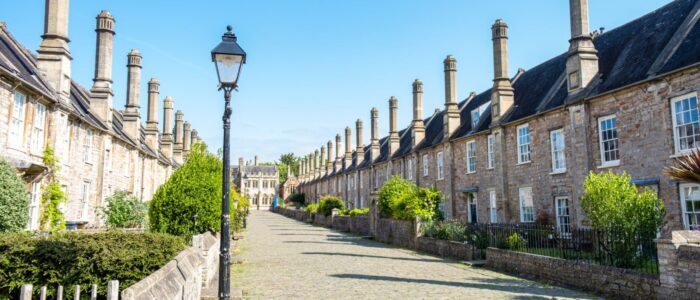
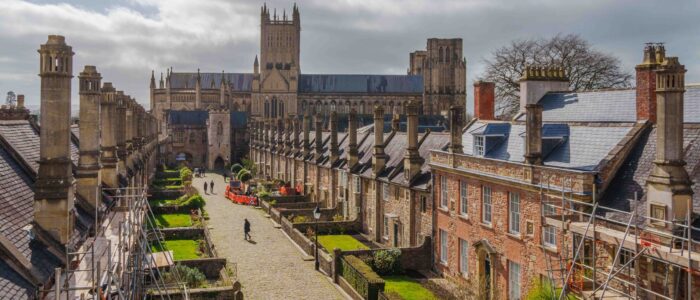
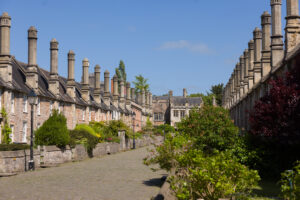
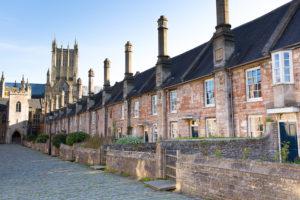
Vicars’ Close is an extraordinary medieval street. Dating to 1348, it is the oldest street in Europe still serving its original purpose: housing the adult members of the Cathedral Choir. An internationally significant architectural site, Vicars’ Close has been integral to the history and fine choral tradition of Wells Cathedral for centuries, and the continued use for its original purpose is incredibly rare. It is an exceptional place, which has retained its medieval character to a remarkable degree.
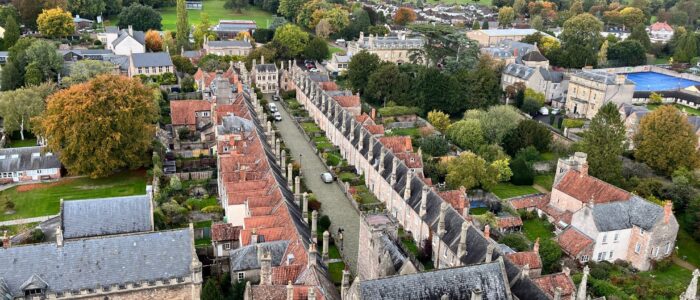
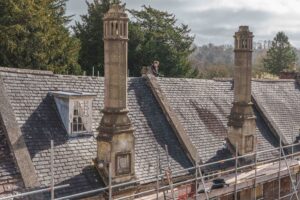
Within the precinct and connected directly to the Cathedral via the medieval Chain Bridge, Vicars’ Close was built between 1348 and 1430. The Close comprises 27 Grade I listed houses, a communal dining facility (Vicars’ Hall and medieval kitchen), a Treasury Block, as well as the Chapel and Library.
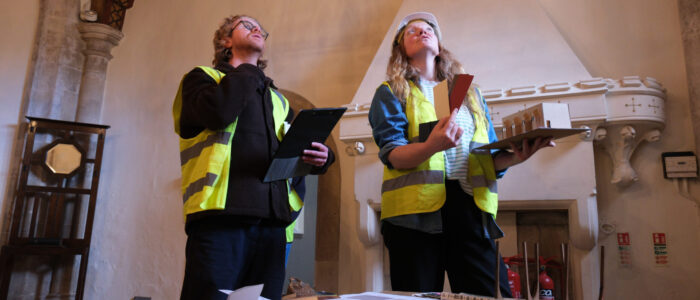
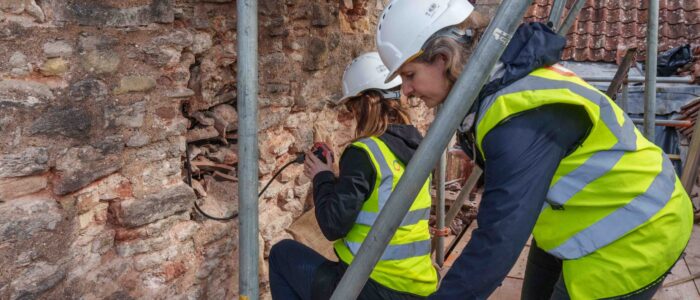
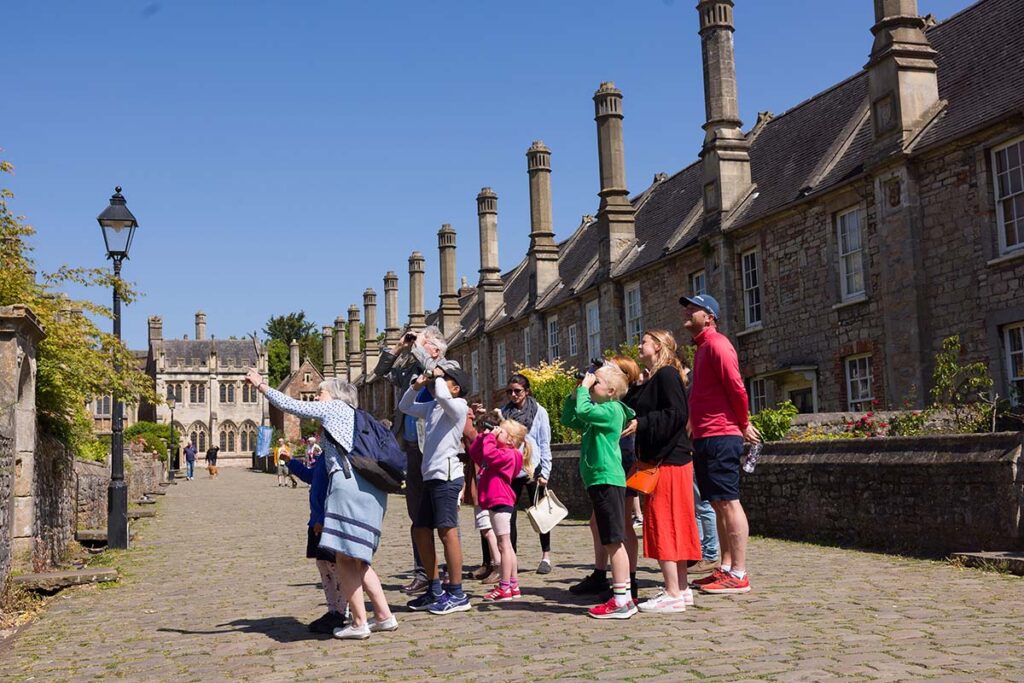
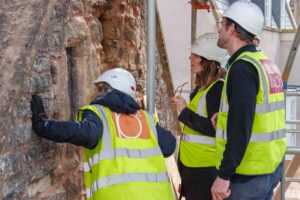
The Vicars’ Close Project is a once-in-a-lifetime project to repair and restore these historic buildings, creating a legacy that will safeguard their future. Alongside, it will enable an exciting, new visitor experience and community led programme of activity to uncover and celebrate this incredible heritage, opening it up to local communities and people everywhere.
‘Vicars’ Close is a rare and exceptionally significant collection of buildings which are medieval at their core… as a group they are possibly without parallel.’ – Conservation Management Plan by Ingram Consultancy
The Vicars’ Close Project will:
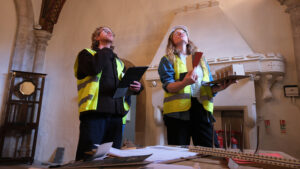
- Conserve 27 historic houses, the Chapel, Vicars’ Hall, medieval kitchen, and Treasury Block.
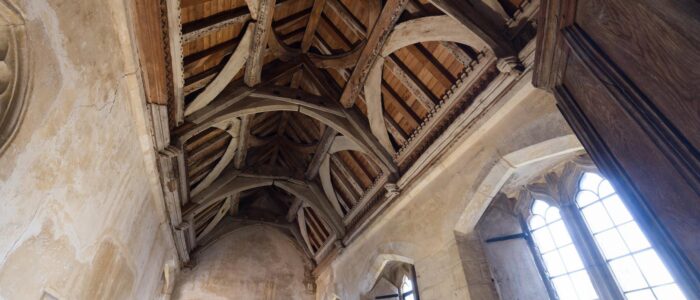
- Halt water ingress and structural deterioration.
- Improve environmental efficiency and sustainability.
- Open hidden spaces – such as the untouched medieval Treasury – to the public for the first time.
- Create a new visitor experience that brings to life centuries of musical, architectural, and social history.
- Champion community engagement through a bold new creative programme created with and for local communities.
This extraordinary place has endured for nearly seven centuries.
Now, we need your help to preserve it for the future.
The Vicars’ Close Project is a once-in-a-lifetime project and the total budget for this remarkable vision is £7.4 million. We are fortunate to have secured £4.4 million from the National Lottery Heritage Fund, along with generous support and pledges from many others. But there remains more to do. We have c. £340,000 left to raise and any gift, whatever the size, will help save Vicars’ Close. To make a general donation of any amount please click here.
Using money raised by National Lottery players, The National Lottery Heritage Fund supports projects that connect people and communities with the UK’s heritage. The Vicars’ Close Project is made possible with The National Lottery Heritage Fund. Thanks to National Lottery players, we have been able to help preserve this historic treasure and secure its future.
Sponsor a piece of Vicars’ Close
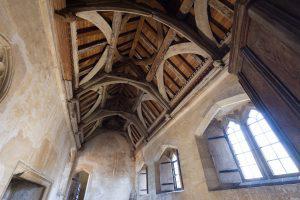
You can support this historic project by sponsoring a unique piece of Vicars’ Close – with a range of options, from roof tiles, timbers and stones, to windows, doors and chimneys.
Join the Bekynton Circle
Share in the philanthropic spirit of Bishop Thomas Bekynton and join The Bekynton Circle, a core group at the heart of this project.
Vicars’ Close Activities and Events
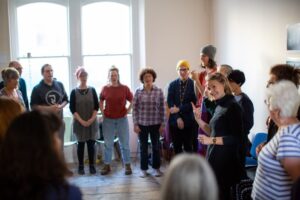
As well as repairing the buildings, we are engaging people in a whole range of activities — from singing and oral histories, to wildlife gardening.